Wondering what everyday life in Brooklyn actually feels like once the moving boxes are gone? It is a fair question, because Brooklyn is not one single experience. Your routine can look very different depending on where you live, how you get around, and what matters most to you, so let’s take a practical look at what day-to-day life in Brooklyn really looks like.
Brooklyn Feels Different Block by Block
One of the most important things to know about Brooklyn is that there is no one-size-fits-all lifestyle here. Borough planning work makes that clear, noting that a borough, a neighborhood, and even a single block can offer different access to transit, jobs, parks, libraries, and other daily needs.
That means your Brooklyn experience may include quiet residential streets, busy commercial corridors, waterfront public space, or more industrial areas, sometimes within a short distance of each other. If you are thinking about moving here, that is why touring a few neighborhoods is more useful than relying on one general idea of “Brooklyn life.”
Housing Shapes Daily Life
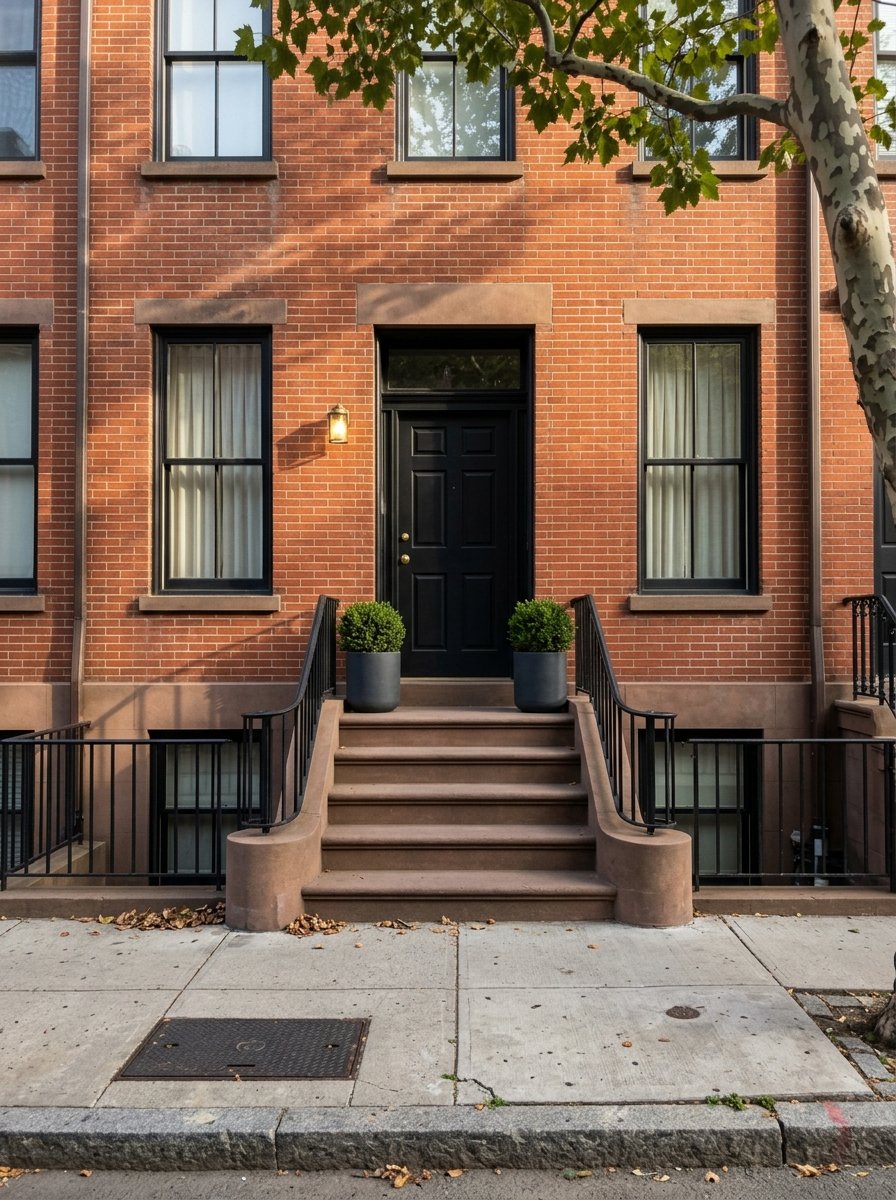
The housing you choose in Brooklyn affects your routine in a big way. Some buyers picture classic brownstones and stoops, and that image is real in parts of the borough. In Bedford-Stuyvesant, for example, the city recently highlighted late-19th-century row houses with brownstone facades in the Willoughby-Hart Historic District.
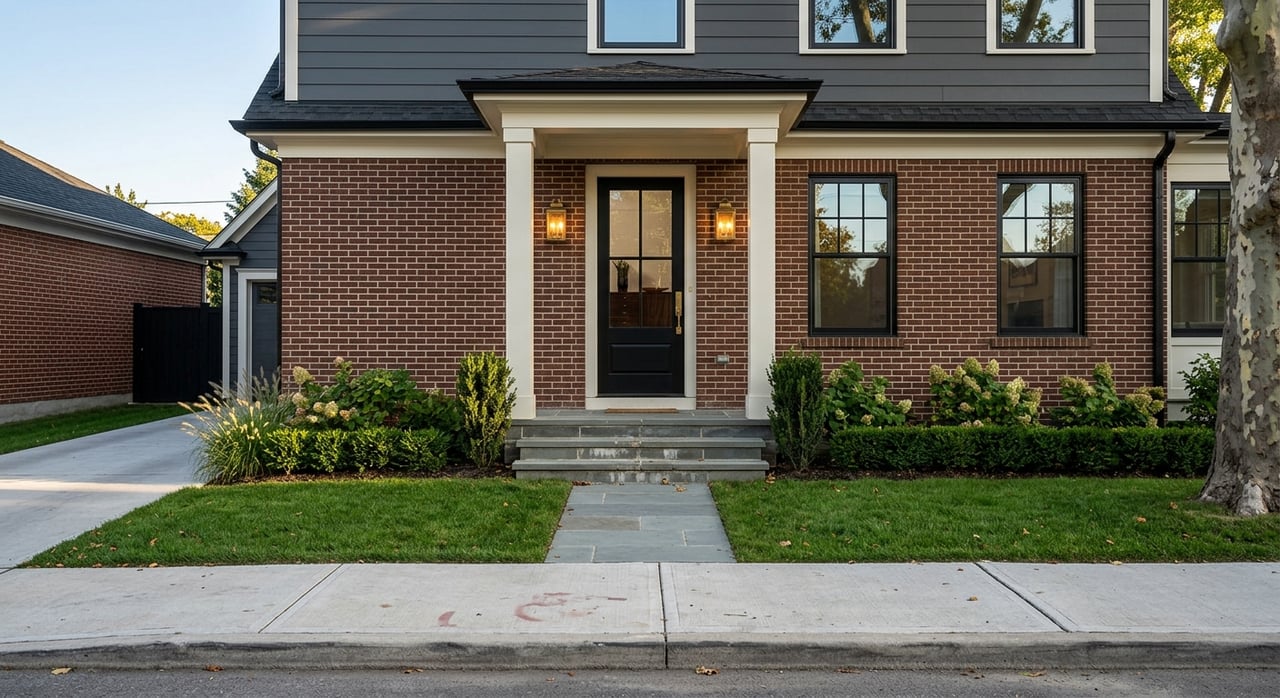
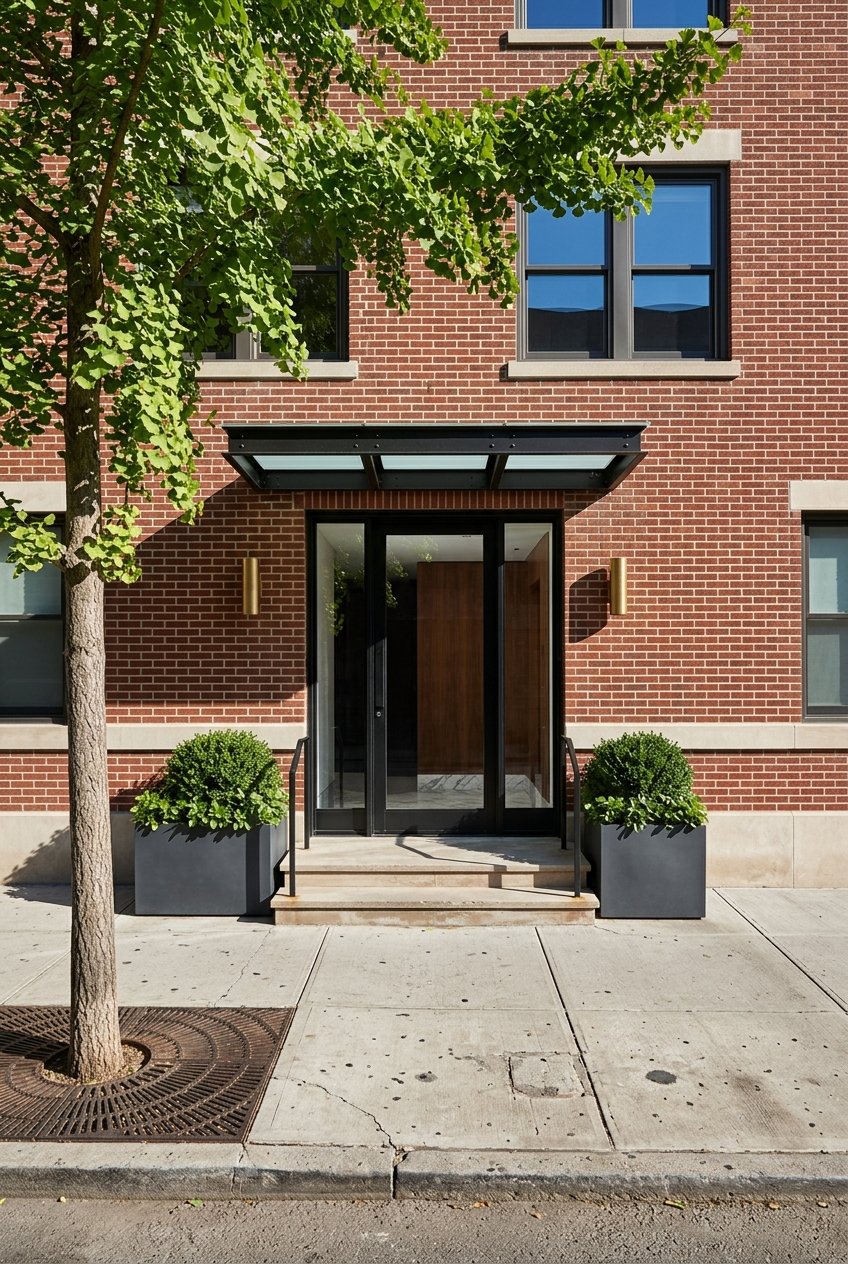
At the same time, that is only one piece of the housing picture. Brooklyn also includes apartment corridors, mixed-use avenues, and newer infill housing, depending on the neighborhood. So when you imagine daily life here, it helps to think less about one postcard image and more about the kind of building and street pattern that fits your lifestyle.
What many buyers notice first
For many people, the first reality check is space versus cost. Kings County has a 2025 population estimate of about 2.65 million, and the borough feels dense because it is. Renting is common, and the owner-occupied housing rate is 29.5%.
That density influences everything from how much storage you have to how often you walk for coffee, groceries, or transit. It also helps explain why many residents spend time renting before buying, even when homeownership is the long-term goal.
The cost side of ownership
If you are planning to buy, it is important to understand the numbers behind the lifestyle. Census figures put the median value of owner-occupied housing units in Kings County at $905,000, with median monthly owner costs of $3,542 for homes with a mortgage.
Those figures do not tell you what every home costs, but they do show why buyers often need a clear plan before jumping in. In many Brooklyn neighborhoods, strong demand and limited housing growth on desirable blocks can keep competition high.
Getting Around Is Part of the Routine
In Brooklyn, transportation is not just a side detail. It is a major part of everyday life. Your commute, weekend plans, errands, and even your housing search often revolve around how easily you can move from one neighborhood to another.
The subway remains a huge part of that routine. The MTA says the system runs 24 hours a day, 7 days a week, and OMNY contactless payment is available at every subway station. For many residents, that means walking to a train, checking bus options, and planning around transit access becomes second nature.
Car-free living is often possible
Many Brooklyn residents live with little or no daily need for a car. Depending on the neighborhood, your routine may include subway trips, buses, walking, biking, or some combination of all four.
That said, access is not perfectly equal everywhere. Some areas make car-free living feel simple, while others may require more planning for longer trips or off-hour travel. Waterfront areas can also have limited parking, which matters if driving is part of your routine.
Biking and ferries add flexibility
Biking is part of daily life for many Brooklyn residents. NYC DOT allows bikes on the subway at all times, and the city continues to expand Citi Bike service in Brooklyn, including areas such as Bay Ridge, Kensington, Brownsville, and East New York.
For some waterfront neighborhoods, ferries also add another layer of convenience. The South Brooklyn route serves Pier 6, Red Hook, Sunset Park/Brooklyn Army Terminal, and Bay Ridge, giving some residents another way to connect to work or leisure without relying only on trains.
Parks Help Set the Weekly Rhythm
One thing people often love about Brooklyn is how public space becomes part of normal life, not just an occasional outing. Parks, waterfront paths, and open gathering spaces often shape how your mornings, weekends, and evenings feel.
Prospect Park is one of the clearest examples. It welcomes more than 10 million visits a year and includes Brooklyn’s only freshwater lake, a 60-acre lake inside the park. For many residents, that can mean morning walks, time outdoors after work, or a regular stop at the year-round Greenmarket at Grand Army Plaza.
Waterfront life feels different
Brooklyn Bridge Park offers a different version of everyday outdoor life. The park spans 85 acres, has free entry, and is open daily from 6 a.m. to 1 a.m. It draws more than 5 million visits each year.
In practical terms, that means some residents have easy access to walking paths, running routes, basketball courts, biking, birding, fishing, kayaking, pickleball, and even seasonal activities like ice skating. If you live near the waterfront, outdoor time can become a regular part of your week rather than a special trip.
Errands and Dining Stay Local
Brooklyn does not revolve around one central district for daily life. Instead, meals, shopping, and basic errands tend to cluster around neighborhood hubs. That gives many parts of the borough a local feel, even within a very large and busy urban setting.
In DUMBO, for example, the routine may include waterfront dining and open views. In Sunset Park, Industry City brings together restaurants, bars, breweries, distilleries, grocery options, and specialty food experiences within a large waterfront complex. These are very different settings, but both show how neighborhood context shapes your daily habits.
A normal week can look very mixed
A realistic Brooklyn week might include a subway commute, a quick grocery stop close to home, time in a park, and meals or coffee in your immediate neighborhood. It might also include trips to another part of the borough that feel simple on a map but require some planning in real life.
That mix is part of Brooklyn’s appeal. You are often balancing convenience, energy, routine, and variety all at once.
Brooklyn Lifestyle Depends on Your Priorities
If you are trying to decide whether Brooklyn fits your life, the better question may be: which version of Brooklyn fits you best? Some neighborhoods offer stronger transit and job access. Others may offer a different housing style, a quieter street pattern, or easier access to waterfront space or parks.
This is where a local, relationship-first real estate approach matters. You do not just need a list of homes. You need a clear sense of how your budget, commute, housing goals, and daily routine line up with the neighborhoods you are considering.
Whether you are buying your first place, planning a move within the borough, or thinking ahead about what ownership could look like, the right guidance can make the process feel much more manageable. If you want help understanding how Brooklyn living lines up with your goals, connect with Albert Benzaken.
FAQs
What is day-to-day life in Brooklyn like?
- Day-to-day life in Brooklyn varies widely by neighborhood and even by block, with different access to transit, jobs, parks, libraries, and daily errands.
What kind of housing is common in Brooklyn?
- Brooklyn includes historic brownstones and row houses, along with apartments, mixed-use avenues, and newer infill housing depending on the area.
Can you live in Brooklyn without a car?
- In many parts of Brooklyn, yes, because residents often rely on subways, buses, walking, biking, and ferries, though convenience depends on the neighborhood.
How expensive is it to buy a home in Brooklyn?
- Census figures show a median owner-occupied home value of $905,000 in Kings County, with median monthly owner costs of $3,542 for homes with a mortgage.
Why does Brooklyn feel so different from one area to another?
- Brooklyn feels different from place to place because its built environment, transit access, parks, jobs, and daily services vary across neighborhoods and blocks.